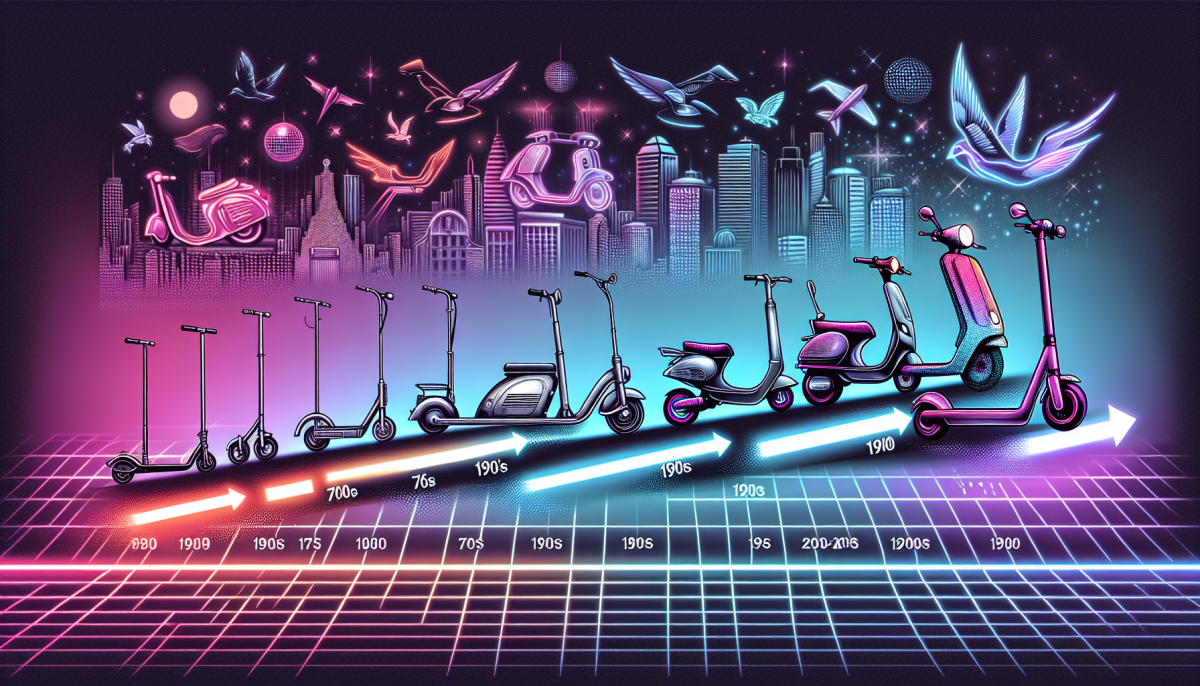
Electric scooters have come a long way since their humble beginnings. The first electric scooter hit the streets in the late 19th century, thanks to an innovative inventor named Gustave Trouvé, who introduced a small, battery-powered vehicle that combined the convenience of a scooter with electric power. At that time, this technology was pretty much a novelty.
Fast forward to the 1990s, and we saw a surge in electric scooter designs. Companies began to recognize the potential for a fun, eco-friendly alternative to traditional transportation. These scooters became popular in urban areas, making short trips and commuting a breeze. Still, they were often bulky and limited in range.
The real game changer came in the 2000s when advancements in battery technology and electric motors kicked in. Scooters became lighter, faster, and more reliable. Suddenly, electric scooters weren't just for kids; adults were hopping on too! They started popping up everywhere—commuting to work, running errands, or just enjoying a ride around town.
Today, the electric scooter market is booming. With stylish designs, improved performance, and better safety features, they’re more appealing than ever. Thanks to app-based rentals and shared services, even those who don’t own a scooter can join in on the fun. It’s exciting to see how this mode of transport continues to evolve, making our cities more connected and sustainable.
Key Milestones in Scooter Design
Electric scooters have come a long way since their inception. The very first models were pretty basic, usually just modified bicycles with a small motor strapped on. People loved the idea of a two-wheeled ride that didn’t need much effort, but these early scooters didn’t actually provide a smooth experience. They had limited battery life, and you had to push off the ground to get going.
Fast forward to the late 90s and early 2000s, and we started to see advancements in battery technology. Lithium-ion batteries became the go-to choice, making scooters lighter and allowing for longer rides. This was a game-changer. More people began to see electric scooters as practical commuting options rather than just fun toys. The designs became sleeker, and manufacturers began to focus on more powerful motors, which meant more speed and better hill-climbing ability.
By the mid-2010s, electric scooters were everywhere. Companies like Xiaomi and Bird brought us electric scooters that folded up for easy carrying and storage. Suddenly, you could hop on a scooter, zip around town, then fold it up and take it inside without breaking a sweat. Features like smartphone apps for tracking rides and locking the scooter made them super convenient. No wonder they became a hit in urban areas!
Now, designers are integrating tech in exciting ways. Think flexibility with customizable settings and built-in safety features like lights and horns. Some even come with suspension systems that make for a smooth ride over bumpy paths. We’re not just seeing scooters—these are fully developed modes of transportation that cater to our busy, on-the-go lifestyles. The future looks bright for electric scooters, and it’s fun to think about where they will go next!
How Technology Changed Electric Scooters
Technology has seriously shaken things up for electric scooters. Back in the day, these rides were pretty basic. Think simple frames with limited battery life and not much power. But with advancements in materials and engineering, today’s electric scooters are lighter, faster, and just way cooler.
Now, many scooters come with smart features. You can connect them to your phone for updates and even track your rides. Some models have built-in GPS, so you'll never lose your way. And let’s talk about battery tech—it’s improved so much that you can zip around for longer without constantly finding a plug to recharge.
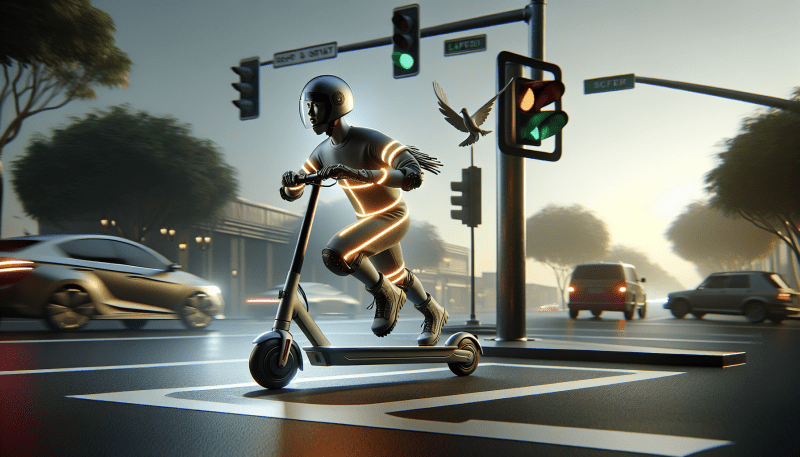
Safety has also gotten a major upgrade. You’ll find scooters equipped with bright LED lights, reliable brakes, and better tire designs. This means you can ride with more confidence, whether you’re commuting through busy streets or cruising around your neighborhood.
The range of options is impressive too. You can choose scooters designed for urban commuting, off-road adventures, or just casual weekend cruising. Each scooter is tailored to different needs, making it easy for anyone to find the perfect fit.
Future Trends in Electric Scooter Development
Electric scooters are evolving quickly, and it’s exciting to think about what the future holds. Picture this: lightweight materials that make scooters even faster while being super durable. Companies are looking at using new types of plastics and alloys that could revolutionize how we ride.
Battery technology is another game changer. We’re already seeing improvements in battery life, but the future promises even longer rides and quicker charging times. Imagine zipping around for hours without worrying about finding a charging station. Plus, some creators are experimenting with solar panels that could help keep your scooter juiced up while you're out and about.
Smart features are becoming a standard part of scooters too. We’re talking GPS navigation, built-in anti-theft systems, and connectivity with your smartphone. With these features, you’ll have more control and security than ever before. Who wouldn't want to track their ride, lock it with their phone, and receive updates on maintenance all from one app?
And let’s not forget about design. Future scooters will likely offer more customization options. Think about cool color choices or ways to personalize your ride to match your style. You could even see options for modular scooters that let you swap parts easily, helping you keep up with trends or just make your ride feel fresh.